
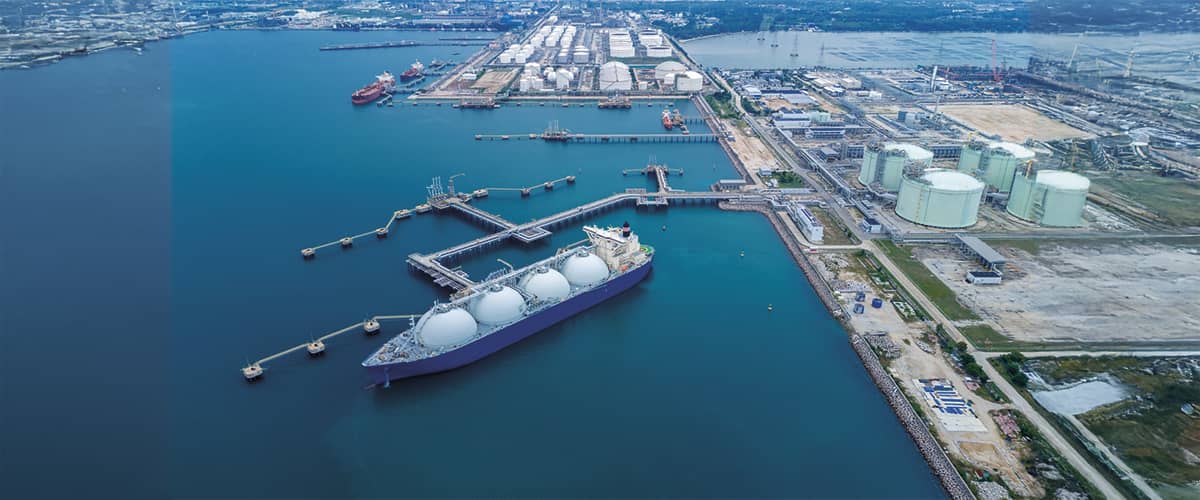
Europe Bans Russian Gas by 2027: How Will This Measure Impact Global Logistics?
In a historic move that will reshape the global energy landscape, the European Parliament has definitively approved a full ban on Russian gas imports by the end of 2027. This decision aims to cut off the financing of energy resources sustaining the conflict in Ukraine, while also marking the beginning of a new era for global energy supply.
Farewell to Russian Gas: A Paradigm Shift
The measure establishes a gradual timeline to reduce dependence on fossil fuels from Russia, with a strict deadline: November 1, 2027, for long-term contracts. To date, the European Union has spent more than €216 billion on Russian energy since 2022—a flow of capital the region is determined to stop.
Key Points of the Regulation:
- Strict compliance: Severe sanctions will be imposed on companies attempting to bypass the ban.
- Legislative strategy: The European Commission opted for a legislative proposal (approved by a qualified majority) to avoid vetoes from countries such as Hungary and Slovakia.
- Temporary exceptions: For now, the agreement does not include a total ban on oil and nuclear fuel, which several member states still depend on.
Impact on the Logistics and Import Sector
For importers and logistics operators, this shift in Europe’s energy matrix is likely to lead to a restructuring of supply routes and potential fluctuations in operating costs. The search for alternative energy suppliers in Europe may influence fuel prices and, consequently, international freight rates in the medium term.
At ORVEX, we keep our clients informed about these geopolitical developments to anticipate any impact on their supply chains. Understanding the international context is the first step to ensuring your imports reach their destination as efficiently as possible.